Wednesday, 14 March 2012

Hope springs

Daffodils punctuate the grassy strip between the motorway, their bright little heads swishing violently as the bus whirs by. The sky is still grey mostly but sun peeks out some afternoons and my ankles dare to bare themselves to the breeze. Sunglasses can be spotted on some all-too-ready-for-shady-glam mums on the school run and I have made salads instead of steamed veg to balance childrens' meals of pizza. The trampoline has been cleared of puddles and decaying leaves, my daughter's head up and down, smiling at me as I wave from the kitchen, the door ajar. Spring! (Nearly)

Here's some food from a shoot I did with Andy Goodfellow at Powerhouse Photography in Leeds - a great team of super chilled but talented people who I hope to do much more work with in the future in their exciting new venture dedicated wholly to food photography. Watch this space...

chocolate and sour cream bundt cake


meatballs with fennel, cumin, lemon and almonds


sweet potato, hazelnut and orange cakes

chocolate and cherry cheesecake
endaname beans with lilly mushrooms and zesty soy dressing

chilli soba noodle with black sesame


Meatballs with fennel, cumin , lemon and almonds


(meatballs can be made with a variety of herbs and spices, depending on your pantry, mood or the cuisine you are referencing: if making your own simply mix around 400g of minced beef (or lamb) with a finely chopped onion, a handful of breadcrumbs and an egg then flavour as you wish: parsley, ground cumin and cinnamon are nice flavours for this dish. Roll the mix (wet hands are a help) into golf-ball sized balls and put in the fridge for a an hour or so to get firm. HOWEVER  I often cheat and buy pre-made meatballs from the supermarket - basically because I am a sucker and tend to cook two to three different meals a night to suit a: my daughter's fledgling status as an inquisitive gourmet (she is getting very sophisticated but still finds a lot of the food I want to eat too spiced) b: my son's outright fussiness and need for simple food and c: my cravings that must be satiated - therefore, little cheats like pre-made meatballs give me one less job)


approx 15-20 meatballs
2 tabs olive oil
1 bulb of fennel
2 cloves of garlic
1/2 tsp turmeric
1/2 tsp ground cumin
1 tsp fennel seeds
500ml vegetable stock
zest of 1 lemon
3 tbsp chopped parsley
3 tbsp flaked almonds, toasted

Method:

Heat the olive oil in a large frying pan (that has a lid - or else use a large casserole) and cook the meatballs on a medium heat, turning to brown on all sides then remove and place on a plate while you cook the fennel with the garlic, turmeric, cumin and fennel seeds.
Stir for a few minutes on med-high and then add the vegetable stock, turn to high and bring to a bubbling boil for a minute, then reduce the heat to low and put the lid on.
Check from time to time that the sauce isn't drying out - add a little more stock if needed - after about 20 mins remove the lid and bring to boil again to reduce and slightly thicken the sauce. Check for seasoning and add salt and pepper to taste.
Serve topped with the lemon zest, chopped parsley and toasted almonds and a side of cous cous and yoghurt seasoned with paprika and olive oil.


Friday, 2 March 2012

Sneek pre-view

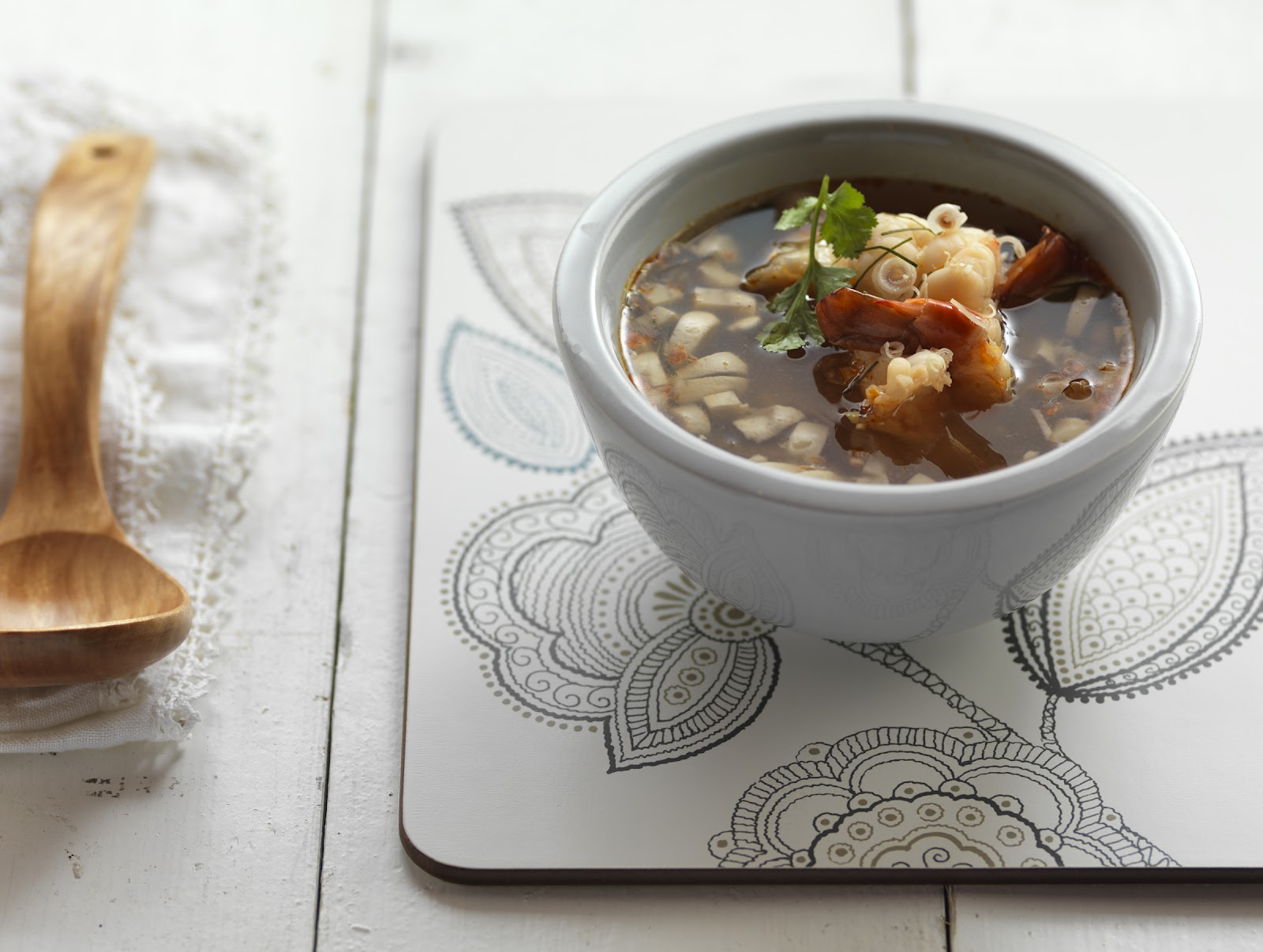
So, I promised to post some pictures from the cookbook I styled with the funny and fantastic photographer Paul Blinston from Millers Photography. It is for a major Asian restaurant here in Manchester called Vermillion Cinabar. Can't wait to see the final product!


Thursday, 23 February 2012

In lieu of poetry - a blueberry bundt cake


I am remembering who I was. I lie awake and am awash with impressions of the past. Ten years ago feels so unbearably different to now. To who I am, to what I encounter, to how I live. Mostly I am so grateful for the stability and love that I have no complaints about the present. Being older grants the serenity to just do the work that needs doing, to chop wood, carry water, so to speak, without needing the blazing epiphanies that marked my youthful quests for enlightenment.


But at the moment, I feel as if something crucial is begging to be brought forth. Is it that the chaos that I had in my 20's was somehow vital to my creativity, and in that, my soul? I got the idea of that aphorism from an article I read, my four year old on my lap, as I carefully sipped coffee at a Saturday morning cafe and didn't even have the trace of a hangover.

My husband and I both lived chaotic creative lives before marriage and family - although he had the benefit of great self belief and I was more prone to oscillating between hope and despair.

We both obstinately lay no material foundations: to work just for money for security was in some way to surrender to the fear, to the forces that wanted to control and keep us small. We studied and made art (in Gareth's case) and wrote and meditated (in mine) and made enough money to get by. I moved all the time. Packing my room of things down into boxes and bags and piling them into my car to drive the vast east-coast highway between Sydney and Melbourne, the Gold Coast and Byron Bay. I used deep optimism and a sense of fate to land the job I needed, to find a house of friends to live in, to meet the right person at the right time.

There was however a need in me to meet someone who would love me enough to want to marry me, to have children with, and perhaps my wandering was not just to find myself, but to find him. In my late 20's I once again trusted my instincts and flew to England on a one-way ticket ready for adventure and secretly sure I would find my husband.


And here we are.

Now, as an on-call, grounded mother with school runs and bedtime cuddles and nutritional lunch considerations, as a reliable worker, a commercial artist (of sorts - food styling has it's freedoms and thrills but is mostly firmly rooted in reality) I have to find ways of making sure that I stay attuned to intuition and a more poetic, animistic essence that was once my greatest ally and defining talent. I can not court chaos. I can not pack my life down on a whim. I must find the extraordinary in the ordinary and keep a sense of magic in the mundane.


So, I am  a keen observer. I keep an eye out for coincidence, the ludicrous, the ludicrous coincidence: like the two women in the exact same full-length faun coloured mock shearling jackets standing outside the off-licence lighting each others fags as I waited at the traffic lights.

I remind myself each morning to stay present and grateful, I stay quiet for a while upon waking and chat to my version of God, I try to remember my dreams. I have an inner dialogue that is so prolific I am shocked to discover sometimes that there is this huge part of me that is rarely shared and acutely edited for the general public.

Music and poetry can touch this secret part and helps me move outwards of sorts from the small but incessant demands that take up my time. Joni Mitchel is one such artist who sang the song of my own. I over-did Joni a while back, and haven't been able to listen to her for a while, but the other day I saw a book of her complete lyrics in the charity shop window and knew it was a gift for me. Small epiphanies. I am enjoying reading her lyrics without the music, letting her poetry remind me of why I loved her so much. It reminds me of who I was, who I still am.


Cooking is a daily poem that needs composing and seems to be the fitting synthesis of the inner and outer worlds: the necessity and desire to nurture, practical alchemy.

So here's a recipe:


Blueberry and blood orange bundt cake
(the blood orange lends it's crimson juice to make a lovely sunset-coloured frosting, but any orange will do. I ALWAYS rush ahead and put my icing on too early when the cake is too warm, hence it has not stuck but slithered off  or been absorbed in these pics, also, my cake stuck to bottom of the tin, and that nice undulated top bundt cakes get was ruined. If anyone knows how to sucessfully extract a cake from a bundt tin, please tell me! It did, however, tastes fabulous!)

165g butter, softened
1 1/2 c castor sugar
3 large good eggs
1 tsp vanilla essence
zest of one blood orange (save juice for glaze)
2 cups fresh blueberries
3 c plain flour, sifted
1 tbsp baking powder
1 pinch salt
1/2 c milk with a squeeze of lemon in it or buttermilk

for the glaze:

juice of one blood orange
approx 1 cup icing sugar


Method:


Pre-heat the oven to 180 degrees Celsius and grease a bundt tin with some butter.

In a large bowl beat the butter and sugar together with an electric mixer until pale and fluffy - at least 5 minutes.

Add the eggs one at a time, beating in between to combine, then add the vanilla and zest.

In alternate stages, add a third of the flour (mixed with the baking powder and salt) and then some of the milk, then the flour, the milk etc. Beat for a further 30 seconds - try not to beat the mix too much once the flour is in, just enough to combine, then fold the blueberries through the batter and pour into your bundt tin.

Bake for about 1 hour, or until set, and while cooking make the orange glaze. In a bowl add icing sugar to the orange juice and whisk with a metal hand whisk, adding more icing sugar if the mixture looks too watery - it should be about the density of honey.

Cool in the tin for a few minutes then turn the cake out onto a wire rack, pouring the glaze over with random abandon once the cake is room temperature.


Monday, 13 February 2012

Once he was better


Once Gareth was feeling better and I was liberated from my soup kitchen rota, I served-up this highly textured and densely flavoured couscous, inspired by Yotam Ottolenghi (again). I added preserved lemon because I made some at Christmas from lovely cheap organic lemons - it added a nice salty piquancy. We made a meal of it by accompanying the couscous with slices of aubergine, courgette, baby leeks and red pepper tossed in a marinade of kofta spice mix, sea salt and olive oil and then roasted for about half an hour.

Couscous with herbs and almonds 

150g couscous
160 ml boiling water
1 small onion thinly sliced
1 tbsp olive oil
salt
pinch of ground cumin
1/3 c sliced almonds lightly toasted in a dry fry pan
3 spring onions finely sliced
2 teaspoons preserved lemon rind very finely diced, or the zest of one lemon
3 tabs parsley finely chopped
3 tabs coriander finely chopped
olive oil

Method:

Place the couscous in a large bowl and cover with the boiling water. Cover the bowl with a clean tea towel and leave for 10 mins for the water to be absorbed into the grains.

Fry the onion in the olive oil until it has browned and is soft, add the cumin and salt, stir a few times and turn off the heat. Add the onion to the couscous with the toasted almonds.

Once the couscous is just warm rather than steaming, add the chopped spring onions and herbs. Check for seasoning and drizzle a little olive oil through to dress. Serve at room temperature.

Sicily and soup in bed

Last week Gareth was sick and off from work and I didn't have much on apart from a few nights at the restaurant. We spent the entire below-freezing week in bed, propped up on three pillows each, drinking coffee then chai, Google street-viewing our way around Sicily. We are going in July for two weeks - although I feel now like I've already been. Gareth would point the little man down a street and just zoom on down - the baroque town of Noto is all alley-ways and the odd old couple on a bench taking a rest, they have large municipal bins and it' seems rather quiet in winter. Ortigia is again the high density alleys of two-story houses, some with flowers on the balcony, and weaving about you eventually pop out at the sea where again large municipal bins gather as the sky soars out all wispy clouds and blue.

I could easily eat pasta three nights a week, with risotto on the fourth, but Gareth decided this same week that he had had enough of pasta and scrunched his nose at all my usual dinner suggestions. All he wanted was soup. Seeing as he had a cold I thought ginger would be a good place to start, so, this is what we had (in bed) one day, and Gareth liked it so much he made it for himself the next night when I was at work. I do think using a good quality vegetable bouillon is important if you are relying on it to flavour and season soups, I like Marigold organic Swiss vegetable bouillon powder.

Spiced red lentil, yellow pepper and carrot soup

2 tabs olive oil
1 brown onion finely diced
1 yellow or orange pepper diced
1 stick of celery finely diced
1 inch piece of ginger grated
2 cloves of garlic crushed
2 teaspoons of Chana masala spice mix
3 medium carrots peeled and roughly chopped
1 cup of red lentils, washed and rinsed
2 - 3 teaspoons Marigold organic vegetable bouillon
3 cups water

Method:

In a large heavy-bottomed saucepan cook the onion, celery and pepper in the oil on a medium to low heat until softened and the onion is translucent. Add the ginger, garlic and Chana spices and cook for another few minutes, stirring frequently being careful not to burn the garlic. Add the carrots and lentils, stir and then add the bouillon and water. Turn the heat up a bit and let the soup reach a gentle boil for a bout 5 minutes to soften the carrots, then turn it down and simmer until the carrots are cooked and the lentils have yielded. If it's looking too thick, just add some more water. Transfer the soup into a blender, or with a stick blender, pulse to your desired texture - I like a few lumpy bits.


Thursday, 2 February 2012

At my table


I love having plenty of food in the house. I love the happy sunshine of fruit in bowls on the table, the serene rows of dried herbs and spices on my kitchen shelf, coloured like the beautiful textiles of arid lands. I can not rest unless my fridge is full of curry pastes, tapenades, olives, cheeses and the freezer has a stock of good bread ready for toasting. My little dry store cupboard needs aborio, brown and basmati rice, red and green lentils, two tins of Italian tuna, tinned tomatoes and at least 3 shapes of pasta for me to feel comfortable and if a cake is on a plate somewhere, well, I feel almost holy with contentment.

I really am not an accomplished baker, so I suppose it's why I seem to favour posts about baked things - I feel a real pride in my efforts. Also, my evening meals arrive on plates when it's too dark to make pretty photo foodie art.

My mother was always one for having a full pantry, but mostly, I suspect, because she didn't believe in used by dates. My father in his seventies opened a gourmet food provisions shop (with the idea that he could wax lyrical with customers about food all day, eat a few English crackers with some Gentleman's Relish, turn a few jars to face the right way, do the crossword and saunter home with a good bottle of red off the shelf - which he did for the most part because my mother - busy in her fruit shop next door - came in and tidied and kept the fridges stocked, did the bookwork and checked the used-by dates of everything and with a huffy "it's perfectly fine!" would take them home to sit in her pantry for another few years).

On Tuesday I still had some figs and poached rhubarb hanging about in the fridge and wondered if a cake existed using both of these ingredients. I felt the subtle perfume of each fruit would marry well together. I found a recipe online (from some tacky weekly celebrity mag in Oz) and used it as a template as I didn't have quite enough eggs for their version, they asked for ground almonds but I only had polenta ( consequently, the mix was a little dry so I added yoghurt). I also felt that the 250 grams of butter indicated was just too much - pulling out a whole slab of butter for a cake makes me not only nervous about my belly getting wobbly but also because that would mean there wouldn't be any back-up butter supplies left for my toast - and I like a lot of butter on toast (just like my mother).

So, it was with trepidation that I put the cake in the oven. Would it work after so much modification??

It was SUPERB.

You put half of the wet mix in your tin then top it with the rhubarb, then pour the rest of the mix in and top with cut figs drizzled with honey. Already I am thinking of different combinations - poached damson with pear, apricot and apple...

Fig and Rhubarb Cake
(I used a small round tin - about the size of a side plate - 20cm by 20cm)

125g butter, softened at room temperature
3/4 c castor sugar
dash of vanilla
3/4 c fine polenta
1/2 c dessicated coconut
3/4 c organic self-raising flour
3 eggs
3 tblsp plain or vanilla yoghurt
pinch of cinnamon
5 stalks of rhubarb
1/4 cup castor sugar
4 large or 6 small figs cut in half or quartered
1 tblsp honey

Method:

Pre-heat the oven to 160 degrees Celsius

To poach the rhubarb, cut the hard white ends off, peel any tough stringy fibres off with a veg peeler and cut into 4cm lengths. Cook the rhubarb in a pan with the 1/4 cup of sugar and just a splash of water until it's just tender - about 5mins should do it - remember, it will cook more in the cake and take on more sweetness too.

In a large mixing bowl, beat the butter, sugar and vanilla until combined and then add the polenta, coconut, sifted flour and cinnamon and beat for a few minutes only before adding the eggs, one at a time and then the yoghurt.

Have your tin greased (you can use greaseproof paper too, but I didn't bother and it came out a treat) and sppon in half the mix, top with the rhubarb to form an even layer, then add the rest of the mixture, flattening with a baking spatula. Top with the figs - press them in lightly - and drizzle the tops of the figs with honey.

Bake for around 1 hour 15 mins - check and give it another 15 if not set.

Friday, 27 January 2012

Beautiful people and a treat for a yogi


Here I am again!

December busied me with the micro management of tiny toys that had multiplied dramatically.  A system was needed. I spent whole afternoons ordering pink and blue Ikea tubs into zones - Phoebe's went like this: Ponies, Barbies, Sylvanias, Palymobil, Small Toys (Mini Mermaids, Animal Rescue, Polly Pocket Stuff and The Crap From Party Bags).Then on to the blue tubs for River - Action People and Their Weapons, Transformers, Lego, Pirates, Dragons and Knights, Shiny Treasures (Padlocks, Pennies and Silver Buttons).Then I relayed this system to my children and husband who will never follow it.

Then January started with the biggest job of my career - a cookbook! (will give a sneak peek at some photos soon). I also worked with a photography company in Leeds - Powerhouse - to do some beautiful food shots for a photography competition and then got asked to do the same thing for my mate Darren at Shoot the Moon.

My free-time life has been dramatically improved by the opening of a GREAT cafe (in Manchester! Levenshulme! it's like London!). It's called Trove and is owned by husband and wife team Marcus and Katie who are both very beautiful and hip and talented and madly in love with each other and it could make me sick but I 've decided to be happy for them instead. They make organic jams and pickles and have just bought a bread oven to make real, chunky rustic bread in, their coffee is good, and Marcus's brother, Nathan is a (also gorgeous) talented cook who makes deceptively simple, delicious food. I say deceptively simple, because although the menu is small, the sensibility is astute, the flavours refined. Highlights so far have been rocket and Parmesan soup, a Spanish stew of winter vegetables and chorizo (in tiny chunks, not too fatty and overwhelming, but little crunchy bursts of paprika saltiness) and a ginger treacle cake with orange that was a perfect balance of sweet and sour.


at Trove's communal table

I have been cooking alot too. Brown rice has entered my trolley again, after reading the great blog 101 Cookbooks and getting inspired by her healthy, wholefood cooking. Click on the link to get the recipe for a dish we now eat every week - a deconstructed sushi in a bowl with pan-fried marinated tofu, brown rice, avocado, toasted sesame and sunflower seeds and whatever else I have that's green like tender-stem broccoli, asparagus or flat green beans. The dressing is a gorgeous citrus and soy concoction. I have also made pizza dough and topped it with sliced roast beetroot, caramelised onion and ricotta given depth with lemon thyme and some fresh parsley at the end (I made this up myself!). I feel virtuous and happy when eating this kind of food, it satisfies both the cook and spiritual residing in me and has been nicely dove-tailed with my re-newed dedication to yoga practise thanks to a website www.yogatoday.com that has THE BEST teachers and means I can do a class any time I want at home.

Of course, eating this way and doing lots of yoga has its pay-offs. I can eat cake (and drink wine) and not fret about the thighs (or my soul's demise). One cake that has everyone happy is the cinnamon and chocolate teacakes you can (just) see me tweaking in this shot taken on location at Trove with Darren this week for the up-coming Food Photographer of the Year competition.


 One wine that is keeping me happy is a spicy interesting Italian red Gran Conti Rosso del Molise. You may catch me singing in the kitchen with a glass of it listening to this.

I guess this is kind of a de-constructed favourites list, because I also want to share some fashion that is inspiring me now. Fashion is not so far from food - it's something we need to engage with everyday (and if you're like me, you may change outfits three times a day too) and has the ability to transcend basic needs (fill me up, keep me warm) and become an art to reflect our own passions, intelligence and values. Thus justified, here's what I'm currently channelling. I know, it's menswear, but I am really taken by the way menswear is almost like a master recipe - or a haiku - you have the same foundations: pant, top, shoe - or 5-7-5 syllables with a seasonal reference - and then you add flavour, or humour with cut (the Sandro man's ankle skimming trousers) and unexpected spice, or insight, (his Navajo cuffs on both wrists) contrasting with fine tailoring and classic colours. I think men have it down much more than women - the restrictions of menswear allow a greater emphasis on quality and the essential. Like eating seasonally or writing Japanese Zen poetry, having a restrained list of ingredients or words to use often extracts a better end product.


Yogi's Treat Cinnamon and Chocolate Teacakes
(adapted from the brilliant www.whatkatieate.blogspot.com)

200g unsalted butter, left out to soften
3/4 c castor sugar
2 free-range eggs
dash of vanilla essence
1.5 c organic self-raising flour
1/3 c pure cocoa
pinch of cinnamon
1/2 c vanilla or natural yoghurt
icing sugar mixed with a bit of cinnamon to dust

Method:

Pre-heat oven to 180 degrees Celsius
Beat the softened butter using a hand-held electric mixer or whisk with the vanilla and sugar until pale and fluffy (about 5 mins).
Add the eggs one at a time until combined (it may look a bit scrambly but don't worry, it works in the end).
Sieve in the dry ingredients and fold through until combined.
Fold in the yoghurt and spoon mix into greased individual small cake tins or a greased loaf tin if you don't have any.
Bake for about 35 mins until your skewer comes out clean. Cool then dust with a mix of icing sugar and cinnamon.


Friday, 9 December 2011

After rain, re-vamp

I am hibernating. The trill of rain on my window and the trees thrashing about in wind are crushing my motivation. I slip beneath the doona at 2pm and would disappear until wine-o'clock if it wasn't for the weather-bashed school-run. I am not feeling 'Christmassy', I am not compiling lists of my 'favourite seasonal' things. I am barely cooking anything new - just rotating the basic pasta/chicken curry/pasta/mash-topped bake scenario. I am eating pastries instead of lunch, having another tea with honey. I listen to the radio all day for company and peer at other people's wonderful lives artfully displayed on their brilliant blogs. I have no more money to shop, only the kids will get presents this year. Australia is taunting me, from the pages of my book, The Slap, and I'm watching the TV series of it, barely able to breathe. I wake each morning in the dark. I am still in Manchester.


I have had some triumphs. I made a nice gratin with mixed root vegetables and served it with a radicchio and avocado salad and a side of caramelised fennel from Yotam Ottolenghi's Plenty.

I have danced in the kitchen to DJ Shadow's Scale it Back featuring Little Dragon and felt it to be the most perfect expression of my soul.

I have tweaked small areas of our house. The hallway now has a bamboo phone table and the shoe basket next to it, and this small vignette, this little zone of organisation makes me disproportionately happy.

But in all, it's been a sleepy, bleak week.

I will rise again, and so will this diary, to meet the new year with a fresh start, a refreshed outlook, and a new look. The good news is, I have the skills of a proper photographer on board - Darren Hickson will be joining me in this project, and as of January posts will go up twice monthly, with fabulous photography.

Until then, thank you for reading.

xx Nicole

Mixed Root Vegetable Gratin

3 medium potatoes, washed and cut as thin as you can (tip: cut a weeny little piece from the length-wise bottom of the potato off and then it will have a flat base to stay steady on the board as you slice)
1 small sweet potato, peeled and finely sliced in rounds
1 medium parsnip, peeled and finely sliced in rounds
approx 1 cup double cream
1 clove garlic, crushed
a pinch of grated nutmeg
sea salt and pepper
Parmesan or Grano Padano, grated to top

Method:

Pre-heat the oven to 220 degrees Celsius
Put the vegetables, garlic and nutmeg into a bowl and cover with the cream, toss and season well.
Layer the vegetables into a baking dish, pouring any extra cream from the bowl over the top, you want the mix to be coated well, but too much cream makes for a sloppy gratin.
Sprinkle with Parmesan and then cover with tin foil.
Bake in the hot oven for about 35 - 40 mins or until the vegetables are soft (press a sharp knife through them) and then remove the foil to brown the cheese for another 10 mins.


Yotam Ottolenghi's caremilised fennel
(the original recipe is finished with goat's curd, but I am not a fan)

4 small or 2 large fennel bulbs
40g unsalted butter
3 tabs olive oil
1 tablespoon caster sugar
1 clove garlic, crushed
1 tsp fennel seeds
grated zest of 1 lemon
sea salt and black pepper

Method:

Take off the fronds of the fennel and save some to garnish. Slice off the bottom root part of the bulbs and remove the tough outer layer, keeping the base in-tact. Cut each bulb lengthwise, into 1.5 cm slices.

Melt the butter and oil in a large frying pan on high heat, large enough to hold all the slices, or do 2 batches in a smaller pan. When butter starts to foam add the fennel. Turn only when the fennel has coloured a light brown, about 2 mins, then turn.

When other side is browned, remove the slices from the pan and add the sugar, fennel seeds, and salt and pepper. Fry for about 30 seconds, then return the fennel to the pan and cook for a further 2 mins to coat. Remove and allow to cool to room temperature.

To serve, arrange the fennel on a deep plate and toss with finely chopped dill fronds, the crushed garlic and lemon zest.

Tuesday, 29 November 2011

A whole fish

photo by Darren Hickson at Shoot The Moon

I am a Pisces, what sign are you? Groan, I hear you, I do. Astrology is not for the cynical of this world. It is considered a kind of faith but to those that can suspend disbelief for a short time, it can be observed just like any other science.

I don't read my daily forecast, but I do consult an astrological oracle book, The Astrological Oracle by Lyn Birkbeck, that is a tome of wisdom and uplifts, advises, supports my growing world view, takes me deeper always pushing me to see the events of my life, the questions in my mind, from a bigger perspective: in the context of psychology, history, the ever changing.

It's funny how some people say they are vegetarian but eat fish. Like fish is not an animal but something else - a bit like being a Pisces actually. We are human, but we are something else! Considered the sum total of the human journey, Pisces long to dissolve self-ness into the one-ness that most will, or sense they will, experience at some stage. Like the brief flash of a silver tail sparking out from the ocean, this longing propels us to seek a kind of light, all be it fleeting. We usually act out this longing for wholeness through music, poetry, drugs and alcohol or, if lucky, through meditation and a natural zen-like harmony with the inherent nature of things.

I have tried them all.

There is an art to living that finds flourish in food. Pounding herbs with stone or stirring onions in oil, thinking about what you eat, understanding it's medicine, loving those you feed, buying food with care, touching it, sniffing, pressing the top of an avocado to check its yield, sifting flour from a great height and watching the dust settle in a perfect peak, growing, watering, washing dirt from a turnip, the scent of lime zest oil on your fingers, music in the kitchen, the abstract splash of spaghetti sauce on a baby's bib. This is the stuff that keeps us grounded, and yet expresses the highest aspects of ourselves.

Nothing says abundance, communion, and bounty like a whole fish.

Here's some rubs you may want to try, just get the fish monger to clean and gut your fish. Before cooking wash it with cold water, cleaning any blood that may be left in the cavity (this can make the fish taste bitter) and pat dry, then make 2 to 3 deep slashes across the body with the blade of your knife facing the head. Have your barbeque, or griddle pan on the gas, at a medium to hot heat level so that the skin chars nicely but doesn't burnt the minute you put the fish on. As a general rule, whole fish take 15 to 20 minutes per kilo to cook, starting on one side of the fish, then turning half-way through.

Oregano Pesto
(This paste is great tossed through pasta with some slow-roasted cherry tomatoes and Parmesan or smeared on bread with avocado and toasted pumpkin seeds - have a play)


A handful of fresh oregano leaves picked
Small bunch of parsley, washed and roughly chopped including stems
1 large or 2 small cloves of garlic peeled
1/2 cup extra virgin olive oil
Sea salt

Method:

Put the oregano leaves, parsley and garlic in a mortar, starting with half the amount if your mortar is small and adding more as the leaves reduce and pound together with a splash of the oil. Gradually add more of the oil as the mixture forms a paste, as fine or chunky as you wish. Season to taste. Rub into your fish, reserving some of the mix for pouring over when cooked. Serve with a nice salad.

Coriander, Chilli, Kaffir Lime and Ginger
(see photo)

Small bunch of coriander, washed and roughly chopped
1 red large red chilli, roughly chopped (keep the seeds in if you want it hot)
1 large kaffir lime leaf thinly sliced
1 lime, juice and zest (the little organic limes I buy have yellow skin)
Thumb sized piece of ginger, chopped
1/3 cup olive oil
Sea salt

Method:

Make the paste using the coriander, chilli, kaffir lime, lime juice and zest, ginger and oil, pounding with your pestle in a mortar until the flavours have infused. Season to taste. Reserve some the marinade to pour over fish when cooked. Cook as above and garnish with extra limes and zest, chopped chives and some more of the marinade. Steamed rice and a Thai-style coleslaw (julienne carrots, finely slice red cabbage, white cabbage another couple of kaffir lime leaves and red onion and dress with lime juice, rice vinegar, a little oil, a dash of fish sauce and honey) would make a feast of it. 

Tuesday, 22 November 2011

Greek Gods, hot Christmases and best friends forever

photo by Elaine Dunstan

Christmas in Australia is hot. Santa dads sweat beneath the scratchy nylon suits but often need no fake stuffing help with the jolly beer belly.

My best friend Belinda's father is Greek. I remember his straight nose, running almost parallel to his face. It gave his profile the kind of mythical grace seen in marble statues of the Gods. He held himself like a mythical God too, casting his cynical appraisal of our human foibles: my died red hair that "looks like you've dipped your head in beetroot", driving me and Belinda to a nightclub, his eyebrow arched, that stern nose flaring it's nostrils as we infused his car with the smell of our cigarette and champagne breath.

As a teenager I was always a little scared of Tony, his uncensored wit. He came in and out of their lives in a mysterious manner - here for a week then gone. Belinda's German/Australian mother Jan ran the house with an unceasing energy. It was a mock-Spanish double story house, flamboyantly and wonderfully kitted-out with Jan's garage-sale finds set amongst a wild tropical garden of palms and creepers and unnerving spider webs. Jan fanatically cleaned the swimming pool of fallen leaves each day and if I turned up when she was gardening with her hair in rollers she would always say "oh God, don't look at me!" and would emerge later with a perfectly coiffed blonde bob and beautifully made-up eyes.

Jan loved cigarettes and stout and having people around. She loved me like a daughter, always ready to praise and acknowledge my attempts at finding myself - despite all the foibles she witnessed in me along the way from when we first met at 12 until her death just a few years back.

I loved going to Belinda's house, and Christmas was always celebrated together at some stage of the day. Jan would have the music up loud by the time I arrived, and a glass would be thrust in my hand. Dogs would be yapping, Jan's best friend Pat would be at the kitchen her red lipstick on, a cigarette fuming in the ashtray, helping in a calm and constant manner giving Jan the space to be the exaggerated personality: dancing to Tina Turner, cooking up a storm, putting roast garlic into mashed potatoes, barking at Tony to check the roasted pumpkin.

I always felt the Greek influence in Belinda's house even when Tony was gone. They ate feta salads for lunch when everyone else was having ham sandwiches. That garlicky mashed potato! They had a way with food that was somehow foreign - they picked at things, little plates of this or that, nuts or olives or even just a clementine, but there was a sense of occasion to it, something was different in their approach to eating that I admired.

Belinda and I were best friends from 12 to about 21, something wild, intensely curious and slightly damaged in both of us, drawing us into connection, a friendship that still feels today, after nearly 20 years of separation due to location, like a sisterhood.

One Christmas it was so hot I remember feeling the unbearable furnace of my car's steering wheel as I drove this time to Pat's house for the big lunch. Pat made tzatziki and salads and Tony had bought a whole lamb that he was roasting on a spit, brushing it with rosemary branches dipped in olive oil, a Christmas cracker-hat sitting wonky on his rippled hair. I was vegetarian at the time, but i got drunk and Tony cajoled me into eating his lamb, mocking deep Greek offence at my initial refusal of the meat. It was the best lamb I've ever had.

My beautiful friend Belinda is a mother now, living in Brisbane, so far away from me our Christmases never collide. I miss you my Belle, thank you for making me a part of your family, and a little bit Greek.

Here is recipe for the Greek classic Spanakopitta, something I ate every day straight out of the paper-bag from a take-away bakery in Rethmynon on our recent holiday to Crete.


Spanakopitta (adapted from Claudia Roden: A new book of Middle Eastern Food)
(serve with salads of cucumber, red onion, tomato, olives and dried oregano and shredded lettuce and white onion both dressed with extra-virgin Greek olive oil and lemon juice)

1 kg fresh spinach
120g butter
120g crumbled feta (or a mix of feta, ricotta and grated Parmesan)
a pinch of grated nutmeg (optional)
a small bunch of parsley or 1 tablespoon chopped marjoram (optional)
salt and pepper
8 to 10 sheets of filo pastry

Method:

Carefully wash the spinach (if using the hardier silver beet cut off any hard stems). Drain and chop then cook gently in a large fry pan in 2 tablespoons of butter and season. Cook until just tender and when cool enough to handle, squeeze out the excess juice.
Add the spinach to the cheese, mixing well, and season again adding the nutmeg. You can now add the chopped parsley or marjoram to the mix.
Butter a large, deep baking dish of any shape. Fit four or five sheets of filo in it, brushing each sheet with melted butter and folding them up so that they overlap the sides of the dish.
Spread the spinach and cheese mix over this base layer and cover with the remaining sheets of filo, brushing melted butter between each layer and on the top.
Bake in a moderate oven 160 degrees Celsius for about 45 mins then increase the heat for the last 5 to 10 minutes to 220 degrees Celsius or until the top is golden and crisp and the base is cooked through rather than soggy.


Wednesday, 16 November 2011

Deli goods

I don't know what I would do without the Barbakan Deli in Chorlton, Manchester. It's not trendy, but all the hip people go. It makes and sells great food but is not on an ego trip. Sometimes I do wish it had the polished concrete floors and industrial reclaimed benches, the fashionable magazines for browsing on the communal table kind of vibe that makes you think about what you're wearing before you go, makes you watch and be seen, fret that your turn-ups are the wrong height on your wrong-coloured jeans. If this place was in Sydney or Melbourne, or North London for that matter, it would be like this. But it's not. It's in South Manchester, and if there is one thing northerners scorn, it's pretension. So, I humble my inner fashionista and adore the Barbakan for being exactly what it is: a fabulous continental deli, complete with beige/lemon and burgundy uniforms for the staff, no music, a crammed and heady interior of heaving shelves of panatone, aborio, saffron and Polish noodle soup sachets, with a number system for queueing and a freezing outdoor patio of wobbly aluminium tables for dining (but I will never forgive the polystyrene cups for the coffee!).

 It would be a gargantuan job just to open this place each day. There is hundreds of cheeses to portion and display, every kind of continental meat to slice and pack, fresh salads like potato and dill, Russian salad, falafel and parsley to make, caramelised onion and goat cheese quiches to bake, take-home packs of (ridiculously cheap) Greek mezze and antipasto to assemble, and that's not including the bread. The Barbakan makes the best bread in Manchester - from perfect bagels to the lightest, best-toasting German rye and huge flat rectangles of herbed foccacia. On the weekends they set up a barbeque on the patio and cook French and Polish sausages, onions and sauteed potatoes. Needless to say, the place is always rammed. Victor, a Sanskrit scholar and the Barbakan manager, has the measured grace of the theosophical thinker. Victor is never huffy or ruffled, he manages to wax lyrical about Tibetan Buddhist literature, ask about the Aboriginal predicament, listen with calm and total attention as I natter about my work and life, suggest salami or a recipe for baked cheese with thyme and sweet wine (see pics) and play silly games with my son. And if he ever stops stocking my Italian tuna, well, I just don't want to think about that.

These next few shots are ones I did with the talented Darren Hickson from Shoot The Moon for my food styling portfolio. The breads, baked cheese, pasta and deli goods come from The Barbakan.


Orecchietti with sprouting broccoli, anchovy and chilli
(serves four and takes seconds!)

400g orechiette pasta
1 bunch of sprouting broccoli (or 1 medium head of normal if unavailable)
2 cloves garlic sliced
6 anchovy fillets
2-3 tablespoons e-v olive oil
1-2 teaspoons dried chilli flakes (or 1 fresh red chilli finely chopped)
a knob of butter
freshly grated Parmesan

Method:

Place a large pot of cold salted water on to boil. When rapidly boiling, add the orecchieti and stir to avoid clumping together.

While the pasta is cooking, trim the ends from the broccoli stalks and chop into 2cm pieces, including the dark green leaves, leaving the small florets whole (if using normal broccoli, cut the florets from the base of their stem into smaller portions and reserve, cooking them in with the pasta at the last 2 minutes).

Heat the oil in a heavy based frying pan on medium. Add the anchovy fillets and mash with the back of a wooden spoon until they start to dissolve. Add the broccoli, garlic and chilli. Turn up the heat and stir, cooking for a few minutes or until the stalks have become tender, being careful not to burn the garlic. 

When the pasta is done, drain and reserve a splash of the cooking water. Add the orrecchiete to the broccoli with a little butter and a small handful of Parmesan. With the heat on low stir to coat the pasta thoroughly - add a tablespoon or so of the water if it is too dry - and season to taste. Serve with extra Parmesan. 


Tuesday, 8 November 2011

Bananas are too precious to waste


A bowl of brown mottled skin and heavily fragrant bananas sat next to the digital radio all last week. It's quite strange to have spent bananas in this house. We eat a bunch every two days. My top-up shopping list is always: milk, bananas, biscuits. But here they were: four bananas getting funky and I couldn't bring myself to throw them away, especially after Australia. Our last visit home came at the tail end of a series of natural disasters: flooding, cyclones, fires, and that, paired with an obnoxious economy sticking its finger up at the rest of the world, made the price of bananas comparable to caviar. ONE kilo of bananas was $13 - which would equate to about $39 per week just for bananas in our house. I might spend that on wine, but bananas?

It's a strange paradox, this life I now live. One the one hand, I come from a country of great wealth and beauty. A life of privilege; a childhood pottering in rockpools, teenage years diving into waterholes, early twenties sunbaking on Bondi Beach, zooming on the back of a motorbike past endless fields of sugarcane, not even knowing that the great high I was riding was that of freedom, innocence and trust. I remember a wet season in Cairns, tadpoles turning into frogs and jumping across my barefeet. I lived simply and with no concern for money. I experienced the events in my life mythically, attuned to synchronicity, without compromise. It doesn't mean I was always happy.

And here I am, in England, in post-industrial Manchester. My children potter in rain puddles, not rockpools, and yet I have never felt so abundant. Things are coming together. I live with many compromises, many demands and few excursions into freedom. But there is something to be gained from restrictions. Like I am learning the craft of living by necessary restraints - a kind of Haiku for the life. Yes, I mourn for my country, for my children's lost childhood of river banks crowned by gum trees and holidays in caravan parks near coastal towns where every day is meandered between the beach and milkshop for golden gaytime icecreams. The flip flop of thongs soundtracking their steps, squirming beneath my zinc covered fingers as I protect their freckling skin. Oh god, don't get me started. I mourn for my country.


But their is an acute heightening of the senses that occurs when you are exiled. And exiled I am - there is no job for my husband in Australia and as things are at the moment, we couldn't afford to buy a house there. I have surrendered: I have to find beauty here or go mad.

Right now, listening to Radio 6, Inner City Life by Goldie plays and the haunting, urban drum and bass and harrowed gospel of the vocals is tearing at my soul - it works because I am in a city, an old and dirty city; a city that has it's triumphs and losses, it's loves and tragic stories. I have the lights on because it's so dark during the day now, the sky outside is bleached grey. I hear sirens and aeroplanes overhead. Winter is coming. Beneath my feet in parks is the vast tapestry of autumn leaves, looking up, the branches they have left behind form a filigree of black lace in the sky. I bought foot warmers for my shoes for £1.99 and today, on the school run, I trialed them out. It was like walking around with a mini heater in my shoe. I think I will make it through this winter. I really do.


This cake tastes great with a coffee and a good tune to listen to.


Banana loaf cake with brown sugar and walnut topping
(adapted from Stephanie Alexander's the cook's companion)

125g softened unsalted butter
1 1/2 cups sugar
2 eggs
1 cup mashed (very) ripe banana
few drops pure vanilla
250g self-raising flour
1/2 cup buttermilk or 1/2 cup milk with a few drops of lemon juice added

For the topping combine:

3 tablespoons self-raising flour
3 tablespoons coarsely chopped walnuts
100g softened unsalted butter
3 tablespoons brown sugar

Method:

Preheat the oven to 180 degrees Celsius.
Butter and flour your cake tin (I used a long skinny loaf tin but a 20cm square cake tin is recommended in the original recipe) and line the base with baking paper.
Cream the butter and sugar until pale and fluffy (it takes a while, be patient).
Beat in the eggs, banana and vanilla.
Sift the flour and add to mixture, alternating with buttermilk.
Spoon into cake tin and top with walnut mix.
Bake for about 45 mins - check to ensure the walnutty top is not burning about half-way through cooking and cover with foil if it's getting too brown - burnt walnuts taste foul.
Cool the cake for a few minutes before turning out.